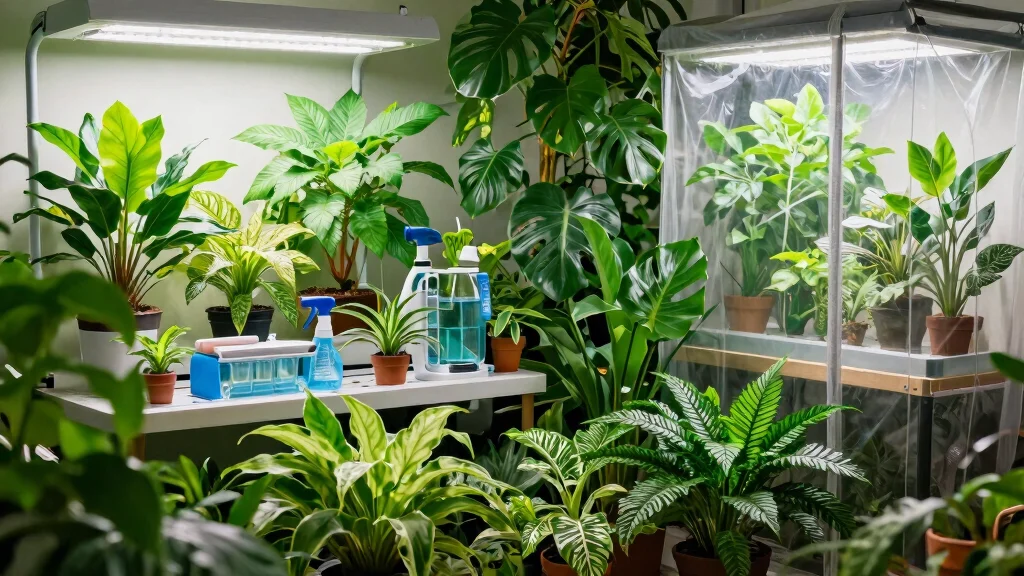
Indoor gardening has become a popular way to bring a touch of nature into our homes, especially as we seek more sustainable hobbies. If you’ve ever found yourself craving lush greenery, you’re not alone. Many plant lovers dream of creating a thriving indoor garden but often struggle with keeping their plants healthy and vibrant. One of the critical factors that influence plant health is light. That’s why I created this plant light guide to help you understand how to maximize light for your indoor plants.
This guide is perfect for anyone delving into indoor gardening, whether you’re a beginner or have some experience. You’ll find valuable insights tailored to your needs. We’ll explore everything from choosing the right grow lights to understanding the light spectrum and plant placement. With practical tips and techniques, you’ll find ways to enhance your indoor plant maintenance, making it easier than ever to nurture happy and healthy plants.
By the end of this guide, you’ll have a comprehensive understanding of how light affects your plants and the best practices to ensure they thrive. Get ready to elevate your indoor gardening experience and watch your plants flourish like never before!
Key Takeaways
– Understanding Light Spectrum: Learn how different light wavelengths affect plant growth and which spectrum is best for your indoor plants.
– Choosing the Right Grow Light: Discover various types of grow lights available, their features, and how to select the best one for your specific plant needs.
– Determining Light Duration: Understand how long to keep your grow lights on daily to mimic natural sunlight and promote optimal growth.
– Monitoring Plant Health: Get tips on what signs to look for that indicate your plants are getting the right amount of light or if adjustments are needed.
– Adjusting Light Conditions Seasonally: Learn how to adapt your lighting strategy as seasons change to keep your plants healthy throughout the year.
Recommended Products

5000K White Full Spectrum Light: Barrina T5 grow lights 1ft provide indoor plants with full-spectrum sunlight replacement. We provide the most reasonable grow light wave based on the ratio of the absorption of the plant

Unique Exterior Design: This led grow light strip 1ft made in a black casing with aluminum instead of white casing. Make it look even better and more integrated into your fine home furnishings. Dark cords instead of white so as to minimize the observance of cords running through your plant displays

4000K DAYLIGHT: Imitate the solar spectrum, customize a more ideal full life cycle full spectrum supplementary light program, covering the entire visible spectrum of 400nm-780nm; Color rendering index Ra is close to 100, infinitely close to natural light, suitable for every cycle of plant growth, effectively promotes plant growth, and improves crop yield and quality
1. Understanding Light Spectrum
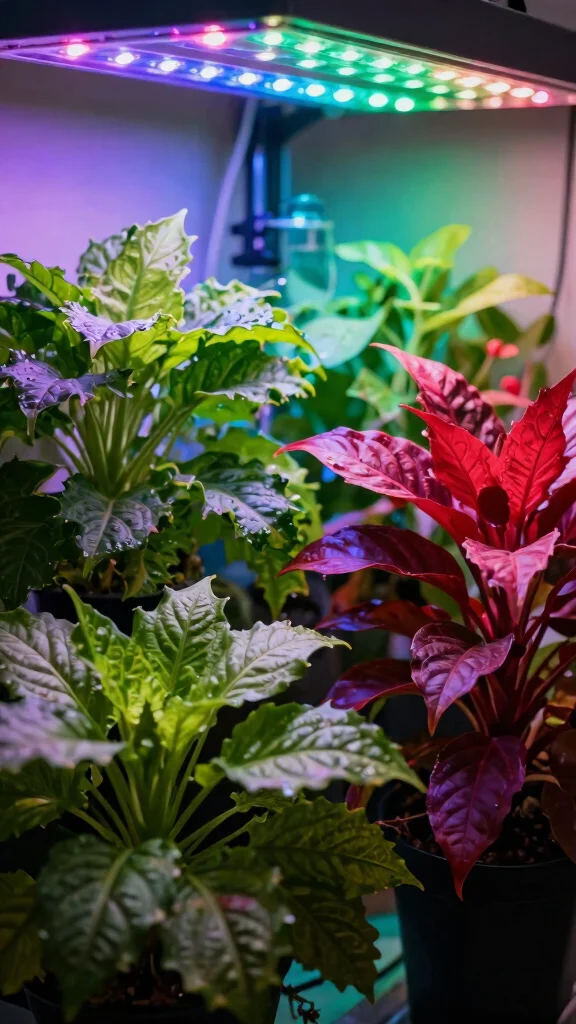
Understanding the light spectrum is essential for nurturing your plants effectively. Different wavelengths influence how plants grow at various stages, making it vital to grasp these differences. The three primary light categories—blue, red, and green—play unique roles in plant health and development.
Blue light is crucial for young plants, as it promotes strong stems and lush foliage. Red light triggers flowering and fruiting, while green light, although not as critical, aids in photosynthesis and gives plants their vibrant color.
Key light spectrum insights:
– Blue Light: Supports vigorous vegetative growth
– Red Light: Enhances blooming and overall growth
– Green Light: Important for photosynthesis, though less impactful
Using full spectrum grow lights mimics natural sunlight, ensuring your plants get all the necessary wavelengths for thriving health. Opt for adjustable LED grow lights to adapt to different growth phases.
Recommended Products

2 Packs 80 High-Efficiency Full Spectrum LED Grow Lights-This plant grow light features 80 high-efficiency LEDs (32 Red, 12 Blue, 36 Full Spectrum), covering a 380nm–800nm full spectrum to simulate natural sunlight and support healthy plant growth even without sunlight. Full Spectrum: Ideal for rooting, sprouting, and daily growth Red + Blue Spectrum: Promotes flowering and fruiting Red + Blue + Full Spectrum: Optimized combination to boost overall plant vitality
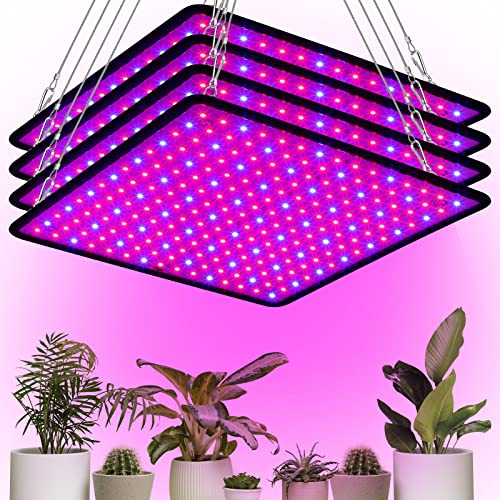
Package Includes: the package will provide you with 4 pieces plant grow lights indoor full spectrum, also comes with hooks, wires and plugs, they are composed of quality material and designed in nice combination for your convenient use, the lights are blue and red, can provide plants with sufficient light when growing; Note: the product is suitable for operation at 85-265V
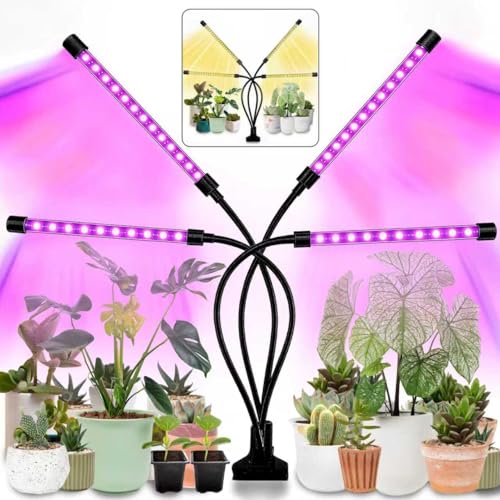
🌻Efficient LED Combination: This LED lamp has grow lights made up of 80 efficient growing LEDs ( 32 red lights, 12 blue lights,20 yellow lights and 16 white lights). It meets the conditions of plant growth without sunlight. 1--Full Spectrum(380nm-800nm): Suitable for all plants to root and sprout. 2--Red(660nm)+BLUE(460nm) Spectrum: for blooming and fruits. 3--Red+Blue+Full Spectrum: A mix of Red+Blue+Warm White is best to fuel the growth of your plants.
Understanding Light Spectrum
Editor’s Choice

Light Meter Digital Illuminance Meter Handheld Ambient Temperature Measu…


Red Blue 5000K LED Grow Light Bulb Full Spectrum 100w Equivalent, A19 E2…

GooingTop LED Grow Light,6000K Full Spectrum Clip Plant Growing Lamp wit…
2. Choosing the Right Grow Light
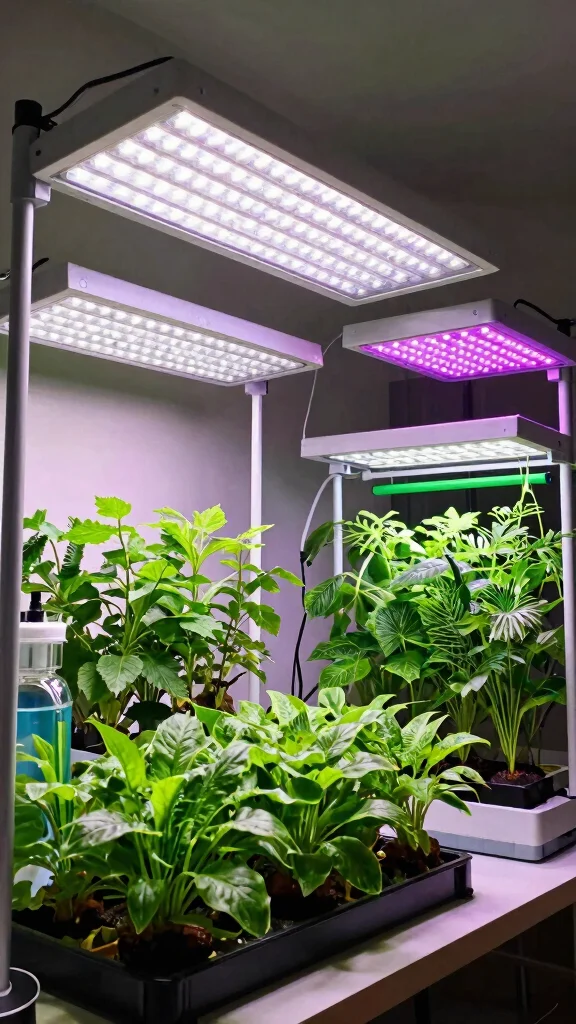
Finding the perfect grow light doesn’t have to be daunting when you know your plants’ needs. Several types of grow lights—fluorescent, LED, and HID—offer distinct advantages suited for various setups. Understanding these options can lead you to the best choice for your indoor garden.
Fluorescent lights are excellent for seedlings, providing gentle light without excess heat. LED grow lights are energy-efficient, often featuring adjustable spectrums for all growth stages. HID lights, while powerful, require more energy and are better for larger setups.
Grow light options to consider:
– Fluorescent Lights: Ideal for seedlings and low-light plants
– LED Grow Lights: Energy-efficient with adjustable spectra
– HID Lights: Best for larger spaces needing intense brightness
By considering your space, energy use, and plant types, you can easily find the perfect grow light for your garden.
Recommended Products

FULL SPECTRUM & NATURAL LIGHT: A19 full spectrum grow light appears 4000K white to eyes but has a red/blue light spectrum. Same as natural sun shine, perfect for tomatoes, cucumbers, peppers, leafy greens and herbs at all growth stages.

High-Quality Plant Light Bulb: With a high output PPF of 15 micromoles per second, these indoor lights for plants provide more nourishment to optimize plant growth and health; Perfect for indoor herb gardens, tomatoes, cucumbers, peppers, flowers, fruit trees and pollinators in their fruiting or flowering growth stage
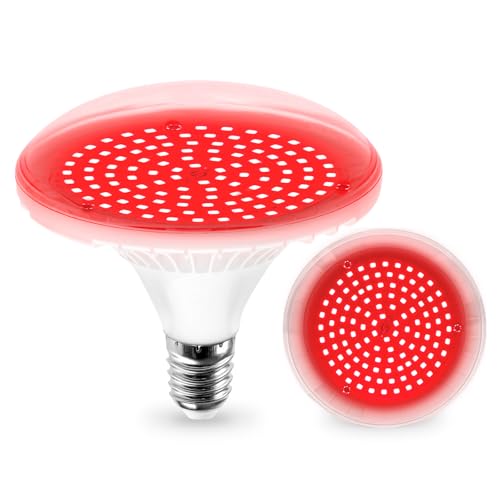
Enhance Photosynthesis: Deep red light in the 660-665nm range is critical for plant growth. This red light spectrum helps plants to produce carbohydrates, leading to taller and healthier plants. It plays a key role in extending the flowering period, improving fruit production, and boosting overall plant growth. The deep red light's efficiency in weak light environments is particularly notable, as it provides the highest photosynthetic benefit to plants.Deep red grow lights are ideal for sun-loving plants like flowers and succulents.
How To Choose The Right Grow Light
When it comes to indoor gardening, selecting the right grow light is crucial for your plants’ health and growth. With so many options available, it can be overwhelming. Here’s a simple guide to help you navigate the selection process and find the perfect grow light for your needs.
1. Understand Your Plants’ Light Requirements
Different plants have varying light needs. Some thrive in bright, direct sunlight, while others prefer low light conditions. Research your specific plants to determine their light requirements. Make sure to note whether they are low, medium, or high-light plants. This will help you select a grow light that matches their needs, ensuring they stay healthy and vibrant.
2. Choose the Right Light Spectrum
The light spectrum refers to the range of colors emitted by the grow light. Plants use different wavelengths of light for photosynthesis. Full-spectrum lights provide a balanced array of colors, mimicking natural sunlight. If your plants are in their growth phase, look for lights that emit blue light. For flowering or fruiting phases, red light is essential. Consider this when choosing your grow light for optimal growth.
3. Decide on the Type of Grow Light
There are several types of grow lights, each with its advantages. Here are the main types:
– LED Lights: Energy-efficient with a long lifespan. They emit less heat and are ideal for small spaces.
– Fluorescent Lights: Affordable and good for seedlings and low-light plants.
– HID Lights: Provide intense light and are suitable for larger setups but generate more heat, requiring good ventilation.
Assess your space, budget, and plant types to determine which option suits you best.
4. Consider the Size of Your Growing Area
The size of your growing area plays a big role in choosing the right grow light. Measure the dimensions of the space where you’ll be placing your plants. If you have a large area, you may need multiple lights or a higher wattage option to ensure adequate coverage. For smaller spaces, compact LED lights may be sufficient. Always ensure that the light can fully cover your plants to avoid stunted growth.
5. Evaluate Energy Efficiency and Cost
Grow lights can vary significantly in energy consumption and cost. While some lights may have a higher upfront cost, they may save you money on electricity in the long run. Look for energy-efficient options like LEDs that have a longer lifespan and lower power usage. Check the wattage and estimated operating costs to find a balance between investment and savings.
6. Check for Additional Features
Some grow lights come with features that can enhance your gardening experience. Look for lights with adjustable brightness settings or timers. These features can help you customize the amount of light your plants receive, making it easier to manage their growth cycles. Some advanced models even have smart technology, allowing you to control them via your smartphone. These features can add convenience to your indoor gardening routine.
Pro Tip: To create a balanced light environment, consider combining different types of lights. For instance, using LED lights for the main light source and fluorescent lights for seedlings can help cater to varying plant needs effectively.
By understanding your plants’ needs and carefully considering the factors listed above, you can choose the right grow light. This investment will help your indoor garden flourish, making your plant care journey more rewarding! 🌱💡
Recommended Products

Full Spectrum Grow Light: This set of 2 grow lights features 72 high-efficiency LEDs that emit a full spectrum of light (380nm-800nm), including white, warm white, red, and blue wavelengths. Designed to support the healthy growth of plants like succulents, herbs, and tomatoes, it is suitable for a variety of growth stages. Let your plants thrive with this versatile and efficient grow light

NOTE: The product stand needs to be pressed down by the flower pot to be stable. Not wireless style. 2 Installation Methods: Specially designed plant light for indoor plants, which can be inserted in the soil or stand for lighting.Unique and easy to assemble and disassemble.

Upgraded Timer Design---This free standing low light offers 4 timing options, enables you to keep the lamp on 4/8/12/18 hours, when kept plugging in, it will Auto On/Off, and no more manually operation everyday. Moreover, you can also adjust the brightness according to your needs.
Choosing the Right Grow Light
Editor’s Choice

LEOTER Grow Light for Indoor Plants – Upgraded Version 80 LED Lamps with…

HTGSupply 4-Foot / 2-Tube High-Output T5 Fluorescent Grow Light Fixture,…

Raylux Grow Light System Kits with Controller Port,1000 Watt DE Double E…
3. Determining Light Duration
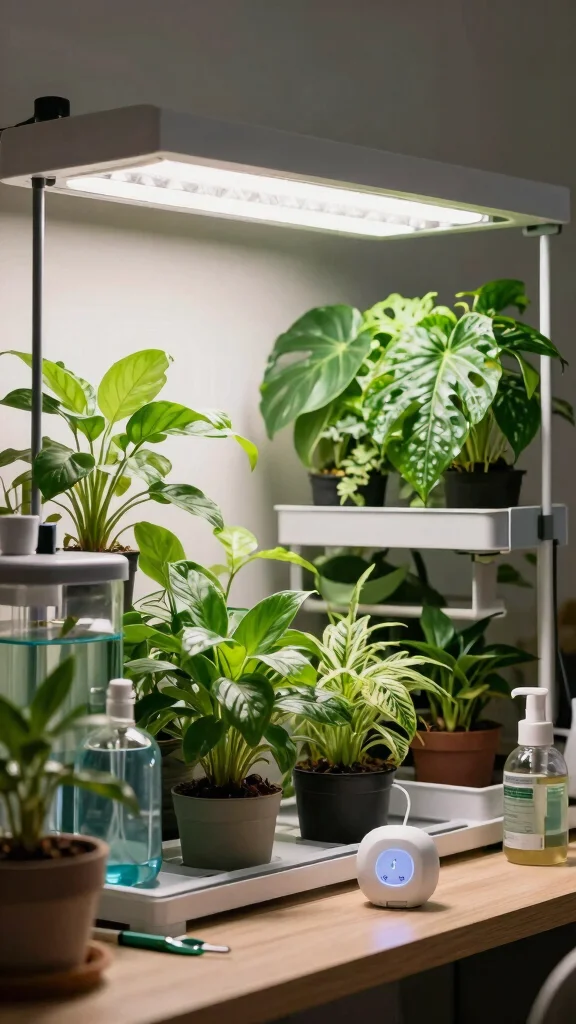
The duration of light exposure is just as important as the light quality itself. Daily light hours directly influence your plants’ growth patterns. Most indoor plants thrive with 12-16 hours of light each day, depending on their growth stage.
Seedlings, for example, need about 16-18 hours to develop strong roots. Vegetative plants generally prefer 14-16 hours, while flowering plants usually do well with around 12 hours. Using timers can automate this process, ensuring consistent exposure.
Light duration guidelines:
– Seedlings: Require 16-18 hours of light
– Vegetative Plants: Need 14-16 hours for optimal growth
– Flowering Plants: Benefit from about 12 hours of light
Adjusting light duration based on your plants’ unique needs can significantly enhance their health and productivity.
Fun fact: Seedlings need about 16-18 hours of light daily to build strong roots and sturdy stems. In our plant light guide, vegetative plants thrive on 14-16 hours, while flowering tops at around 12 hours. Set a timer and grow with consistency.
Recommended Products

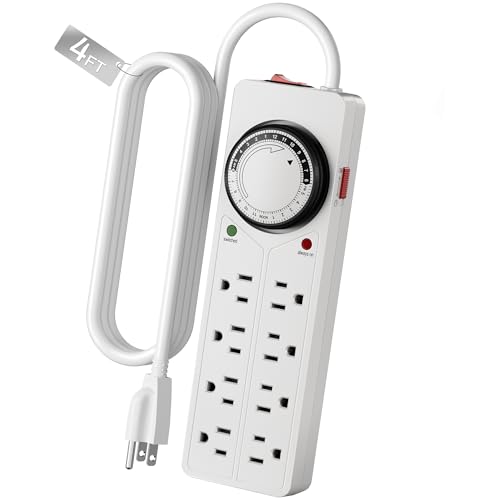
✓ SIMPLE TO USE: Pins UP means timer is OFF. Pins DOWN means timer is ON. Please note that your timer’s pins will come pressed DOWN new of the box. Pull the pins UP to begin setting your timer

Easy to Use: Pins UP mean the timer is OFF, and Pins DOWN mean the timer is ON. Note that all pins will be pressed DOWN when you first open the box. Pull the pins UP to start setting your timer.

✓ VERSATILE & CUSTOMIZABLE: Easily set up to 8 on/off programs for the timer’s two grounded outlets. Outlets are controlled simultaneously, and settings can be as short as one minute.
Determining Light Duration
Editor’s Choice

BN-LINK BND-60/U47 Indoor Mini 24-Hour Mechanical Outlet Timer, 3-Prong,…
GooingTop LED Grow Light,6000K Full Spectrum Clip Plant Growing Lamp wit…
4. Understanding Plant Placement
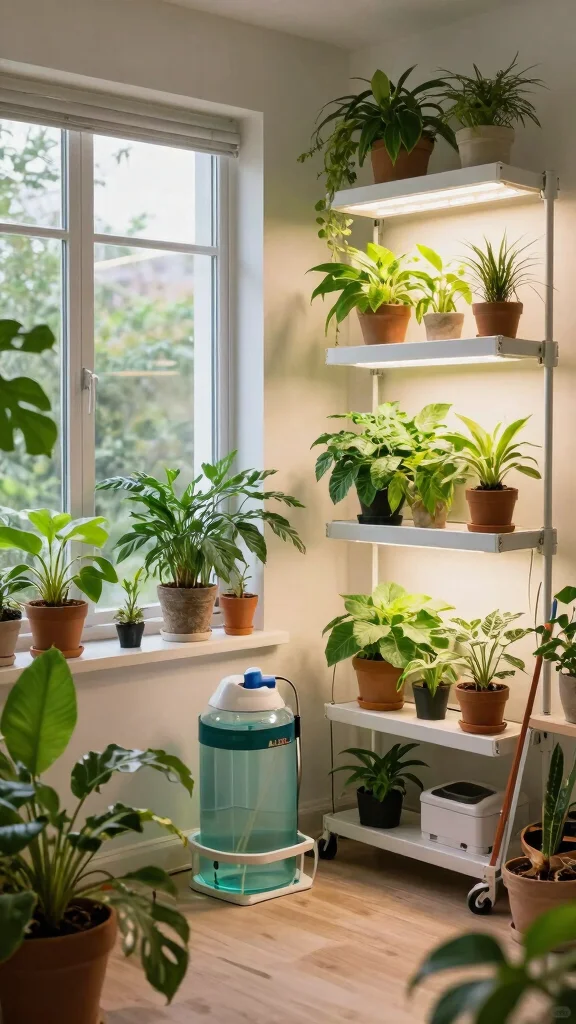
The placement of your indoor plants is crucial for maximizing their light access. Proper positioning can greatly influence your plant care outcomes, making it essential to consider where you place each plant.
Placing plants near windows allows them to absorb natural sunlight, which many species thrive on. However, be cautious of direct sunlight that can scorch delicate leaves. For grow lights, ensure they are the right distance to prevent heat stress or inadequate lighting.
Plant placement strategies:
– Near Windows: Allows access to natural sunlight
– Grow Light Positioning: Maintain proper distance to avoid stress
– Rotating Plants: Ensures even growth on all sides
Finding the right spots for your plants can significantly boost their growth and vitality.
Recommended Products

FULL SPECTRUM HIGH EFFICIENCY GROW LIGHTS: SANSI grow light emits all wavelengths from 380nm to 800nm - just like natural sunlight. With white light efficient LED diodes and higher PAR output, grow lights greatly promote indoor growth by accelerating photosynthesis, ideal for all growth stages and a variety of plants such as herbs, succulents, orchids, cherry tomatoes, monstera, etc

SMALLER & STRONGER: SANSI LED pot clip plant light equipped with SANSI unique ceramic technology, provides more efficient power conversion. The indoor plant light provides 5W output power with 35.78 μmol/s/㎡ @6 inches growing power. Compared with the similar 10W plant light, the output power is saved by 50% and the plant growing effect increased by 25%. The LED grow light is suitable for various indoor potted plants, such as succulents, aloe vera, devil's Ivy, calibrachoa, African violet, etc.

214 Full-Spectrum LEDs: Featuring one light head with 214 high-performance LEDs, this grow light delivers a broad 380–780 nm full spectrum that closely mimics natural sunlight. It provides bright, uniform illumination to support efficient photosynthesis and healthy plant growth. Especially suitable for seed starting and seedling development, it is an ideal supplemental light source for indoor plants.
📹 Related Video: How to Use Grow Lights for Indoor Plants – Complete Guide
Understanding Plant Placement
Editor’s Choice
Light Meter Digital Illuminance Meter Handheld Ambient Temperature Measu…

LBW Grow Light with Stand for Indoor Plants, Adjustable Height up to 68″…
LEOTER Grow Light for Indoor Plants – Upgraded Version 80 LED Lamps with…
5. Monitoring Plant Health
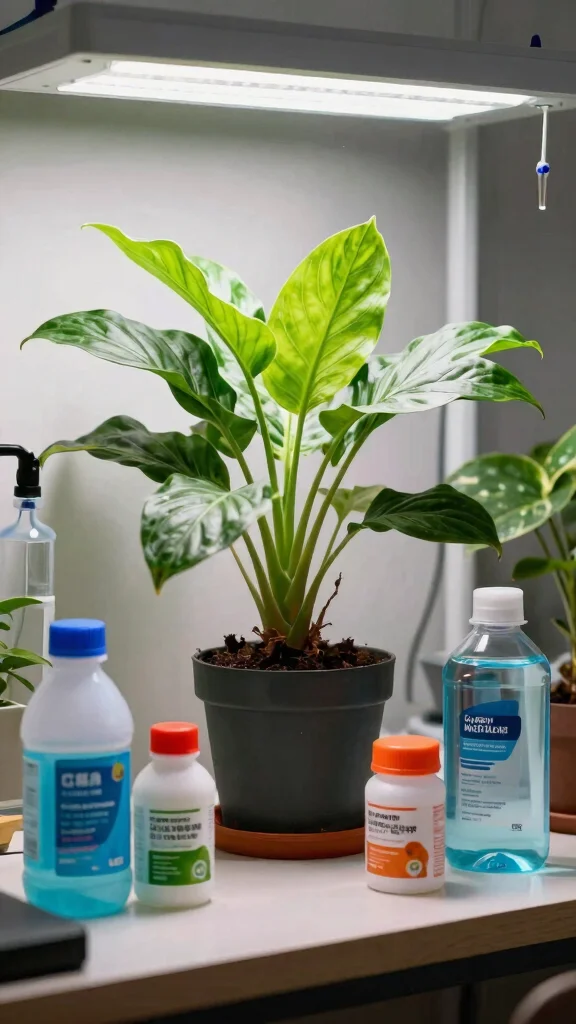
Keeping a close eye on your plants is vital for maintaining their health. Healthy plants show vibrant colors and robust growth, while any signs of stress should be addressed promptly.
Watch for indicators like yellowing leaves or wilting, which may suggest inadequate light or other care issues. Regularly adjusting light exposure and watering can help rectify problems. Daily observation allows you to tackle potential issues before they become serious.
Key health monitoring tips:
– Signs of Stress: Yellowing leaves and stunted growth
– Adjusting Care: Change light and watering as needed
– Consistent Observation: Check plants daily for early signs of stress
Being proactive in monitoring your plants helps cultivate a thriving indoor garden that delights your senses.
Recommended Products

【Upgrade 4*48 Full Spectrum LEDs】The Grow Light has 4*48 LEDs and each light bar has 16pcs Red+16pcs Blue+16pcs Yellow LEDs. High quality LEDs help plants grow with high light efficiency, high PPFD, low heat and longer lifespan. Indoor plant light emits all wavelengths from 380nm to 800nm, simulating natural sunlight to more effectively promote the growth of indoor plants.
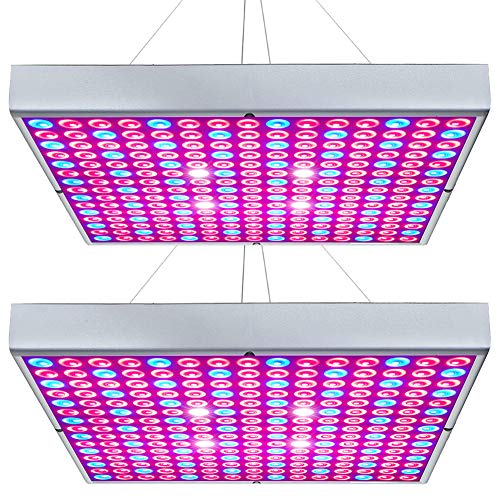
🌹[Classical Full Spectrum] Compact grow light that puts out the needed light, includes 163pcs (620-660nm)+58pcs blue leds(450-460nm) +4pcs white leds (6500k), which is good for all kinds of indoor plants seeding growing and flowering at all growth stages.

【High Output LED Grow Lamp】total built-in 120 white + 20 red + 8 blue LED chips, the growth lamp is similar to the full spectrum sunlight,that is professionally designed for inside garden plants.Also,its color rendering index is as high as 95, the light is soft and flicker-free under non-device,which illumination will be more stable, brighter,and more efficient.
Monitoring Plant Health
Editor’s Choice

XLUX Soil Moisture Meter (Since 2015) – Durable 304 Stainless Steel Prob…
LEOTER Grow Light for Indoor Plants – Upgraded Version 80 LED Lamps with…
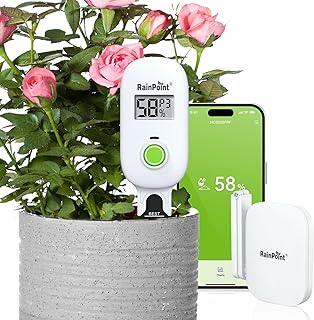
RAINPOINT Smart Digital Wireless Plant Moisture Meter Houseplants Indoor…
6. Adjusting Light Conditions Seasonally

As the seasons change, so do the light requirements of your indoor plants. Adapting your lighting conditions is essential to keep your plants thriving throughout the year.
During winter, natural light decreases, so consider increasing artificial light to compensate. In summer, be aware of strong sunlight that can harm your plants; using filters can protect them. Maintaining a journal to track light conditions helps you make necessary adjustments.
Seasonal adjustment tips:
– Winter Adjustments: Increase artificial light exposure
– Summer Considerations: Filter intense sunlight to prevent scorch
– Annual Planning: Use a journal to track light responses
Making these seasonal adjustments can significantly enhance your plants’ health and growth, ensuring a flourishing indoor garden year-round.
Recommended Products

INDOOR GARDENING is perfect for many different environments, such as small kitchen herb gardens, apartments with limited sunlight, basement fruit/vegetable gardens, anywhere you want to grow!
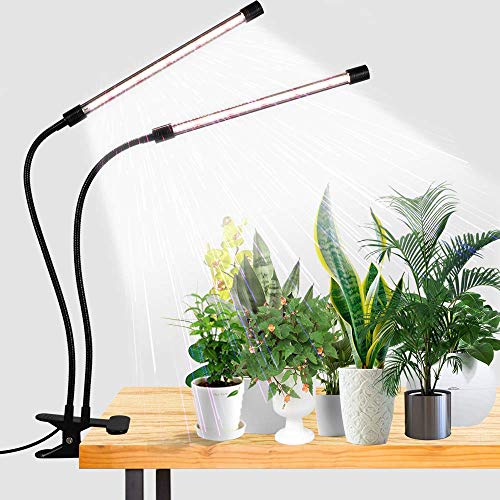
6000K White Light - equipped with 10 Red + 74 White LEDs, this growing Lamp is similar to the full-spectrum sunlight at noon,that is professionally designed for indoor garden plants.Moreover, its color rendering index is as high as 95, the light is soft and flicker-free, which is very suitable for reading lamp

【Upgraded Full Spectrum】Eqqiuped with 5 Red+37 Sunlight White LEDs in each bar, which is similar to the sunlight at noon to meet the needs of various plant growth processes. 6000K LED grow light with high efficiency and high PPFD, providing flicker-free and soft light.
Adjusting Light Conditions Seasonally
Editor’s Choice

Plant Journal Log Book: Track Your Plant Babies’ Requirements & Progre…

7″/18cm Light Diffuser,Soft Diffuser Lamp Cover White Lamp Shade Diffuse…
LEOTER Grow Light for Indoor Plants – Upgraded Version 80 LED Lamps with…
7. The Benefits of Full Spectrum Lighting

Full spectrum grow lights are designed to closely resemble natural sunlight, providing all the essential wavelengths for plant growth. This type of lighting supports your plants throughout their life stages, making it a smart choice for indoor gardening.
These lights encourage robust growth patterns and effective photosynthesis, reducing the likelihood of stress-related issues. They are versatile enough to support various plant types, making them an excellent choice for any indoor garden.
Benefits of full spectrum lighting:
– Enhanced Growth: Promotes healthy development at all stages
– Reduced Stress: Supports plant resilience against stress
– Flexible Use: Ideal for various plant types and growth phases
Investing in full spectrum grow lights simplifies your gardening experience, leading to lush, thriving plants.
Fun fact: full spectrum grow lights provide visibility across 400-700 nm, covering all essential wavelengths for photosynthesis. In this plant light guide, consistent daily exposure helps indoor plants show stronger growth and fewer stress signs—it’s like sun, but smarter for hydroponics.
Recommended Products

Designed for Large & Tall Indoor Plants:Designed specifically for large indoor plants and tall plants that need stronger and wider light coverage. Helps big plants thrive even in low-light areas like living rooms, corners, or offices.Provides full spectrum light (380nm–800nm) to support every stage of plant growth. A perfect sunlight replacement for indoor plants.
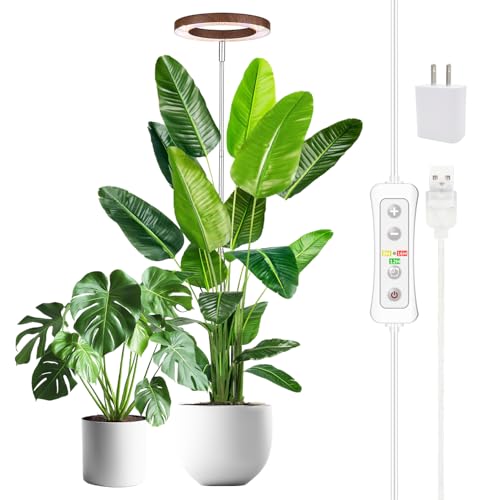
Designed for Large & Tall Indoor Plants:Designed specifically for large indoor plants and tall plants that need stronger and wider light coverage. Helps big plants thrive even in low-light areas like living rooms, corners, or offices.Provides full spectrum light (380nm–800nm) to support every stage of plant growth. A perfect sunlight replacement for indoor plants.

Designed For Large Plant LED Grow Light Full Spectrum - Compact grow light with high quality super bright LEDs, offer full spectrum 380nm-800nm, including white5000K/18 LEDS,warm white 3000K/18 LEDS,red/8 LEDS,blue/4 LEDS to effectively promote indoor plant growth any time of year, beneficial to entire growth period.
The Benefits of Full Spectrum Lighting
Editor’s Choice
GooingTop LED Grow Light,6000K Full Spectrum Clip Plant Growing Lamp wit…

Barrina T5 Grow Lights for Indoor Plants, 5000K Full Spectrum, 1FT LED G…

SANSI LED Grow Lights for Indoor Plants, 300W Full Spectrum Gooseneck Cl…
8. Utilizing Smart Technology in Grow Lights
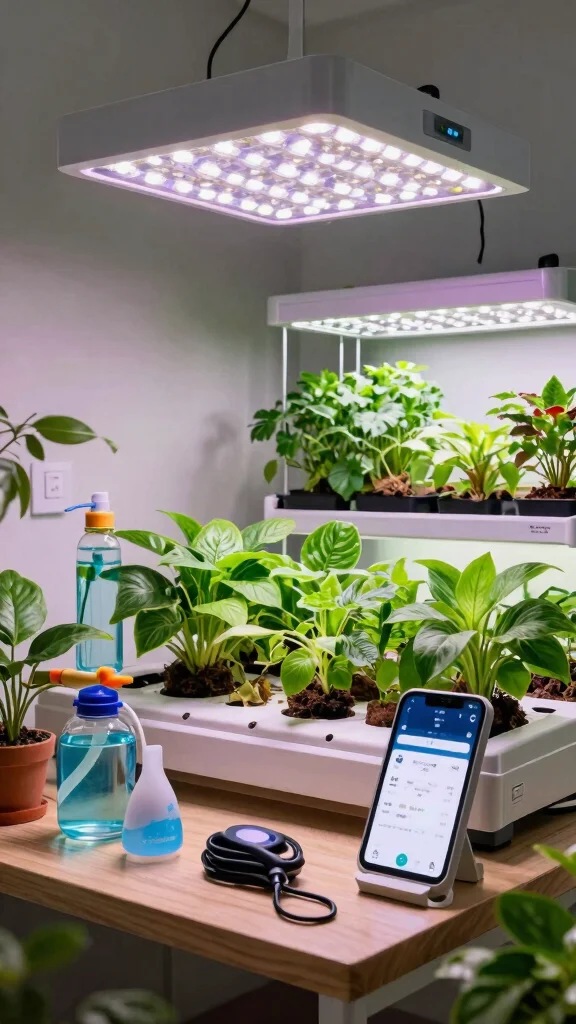
Smart technology is transforming indoor gardening by allowing you to control grow lights more effectively. With these advanced features, you can create tailored light conditions that enhance plant growth and health.
Many smart grow lights come with apps that let you monitor and adjust schedules and intensity easily. Sensors can automatically detect environmental changes and optimize lighting. These lights are often energy-efficient, further benefiting your gardening experience.
Smart technology advantages:
– Apps and Sensors: Monitor and control light conditions easily
– Energy Efficiency: Reduces costs while promoting healthy plants
– Customization: Tailor settings to specific plant types
Incorporating smart technology elevates your indoor gardening game, making plant care simpler and more effective.
Fun fact: In our plant light guide, smart grow lights with apps let you tailor schedules and detect environmental changes. They can cut energy use by up to 30% and boost growth in hydroponic setups.


Utilizing Smart Technology in Grow Lights
Editor’s Choice

Censinda Soil Moisture Meter, Soil Moisture Monitor for House Plants, So…
LEOTER Grow Light for Indoor Plants – Upgraded Version 80 LED Lamps with…

LED Grow Light, 5700K Full Spectrum Clip Plant Growing Lamp with White R…
Conclusion

With the right plant light guide, your indoor plants can thrive like never before. Understanding light spectrums, choosing the right grow lights, and monitoring conditions are all crucial steps in your indoor gardening journey.
Whether you’re experimenting with new technology or adapting to seasonal changes, these tips will empower you to create a flourishing indoor oasis. Embrace the joy of indoor gardening and share in the beauty of thriving plants!
Note: We aim to provide accurate product links, but some may occasionally expire or become unavailable. If this happens, please search directly on Amazon for the product or a suitable alternative.
This post contains Amazon affiliate links, meaning we may earn a small commission if you purchase through our links, at no extra cost to you.
Frequently Asked Questions
What exactly is a plant light guide and why does it matter for indoor gardening in hydroponics?
A plant light guide is your practical plan for selecting, placing, and tuning grow lights so your plants get the right light at the right time. In indoor gardening or indoor hydroponic gardening, light is the fuel for growth, so a thoughtful guide helps you move beyond guesswork.
Start with a full‑spectrum option, set a consistent daily light cycle, and adjust intensity to match each plant’s stage. Use a timer, position lights for even coverage, and watch plant health indicators like color, compactness, and new growth to fine‑tune your indoor plant maintenance routine.
How many hours of light should indoor hydroponic plants receive each day, and does it vary by plant type?
Most leafy plants thrive on a longer day length for vegetative growth—about 12–16 hours of light each day. For flowering or fruiting stages, many plants benefit from 10–12 hours of light with a dark period. In practice, use a timer and aim for a stable cycle like 18/6 or 16/8 during veg, then switch to 12/12 for flowering if needed.
Always give plants a brief dark period to rest; consistency is key in indoor gardening and indoor plant maintenance.
Which spectrum and intensity work best for indoor hydroponic gardening plants?
Choose a full‑spectrum grow lights setup that covers the 400–700 nm range, with a balance of blue light (for strong stems and healthy leaves) and red light (for flowering). Many growers start with a blue-to-red ratio around 4:3 and adjust based on plant response. Keep intensity appropriate for the canopy: brighter isn’t always better—use DLI targets and adjust distance or dimmers to protect plant health and prevent heat buildup.
Incorporate lights that deliver a uniform, high-quality spectrum to support ongoing plant care tips and overall indoor plant maintenance.
How far should grow lights be placed from the canopy, and does this distance change as plants grow in hydroponics?
Start with lights about 12–24 inches (30–60 cm) above the canopy for most LEDs and adjust as plants grow. If leaves show bleaching or curling, move lights slightly higher; if growth looks leggy or reaches for the light, lower them gradually. Use adjustable hanging kits or a movable rack so you can raise or lower the lights as the plant height changes.
Consistent distance helps prevent hot spots, keeps indoor gardening energy efficient, and supports steady plant health in your indoor plant maintenance.
What practical steps can I take to keep plant health strong and prevent common issues in an indoor hydroponic setup with lights?
Create a steady light schedule and keep a clean, well‑ventilated space to reduce heat and humidity fluctuations. Use reflective surfaces to maximize light use, ensure good air circulation, and monitor your nutrient solution and algae growth. Rotate plants for even exposure, wipe dusty leaves, and check for signs of stress like yellowing or burned tips.
By following these plant care tips, you’ll support ongoing plant health and smooth indoor plant maintenance in your hydroponic system.
Related Topics
indoor gardening
plant light guide
grow lights
plant care tips
hydroponic setup
indoor plant maintenance
plant health
beginner friendly
easy plant care
urban gardening
indoor plant lighting
seasonal growth tips